Focused arrival windows
Useful updates and clear arrival timing.
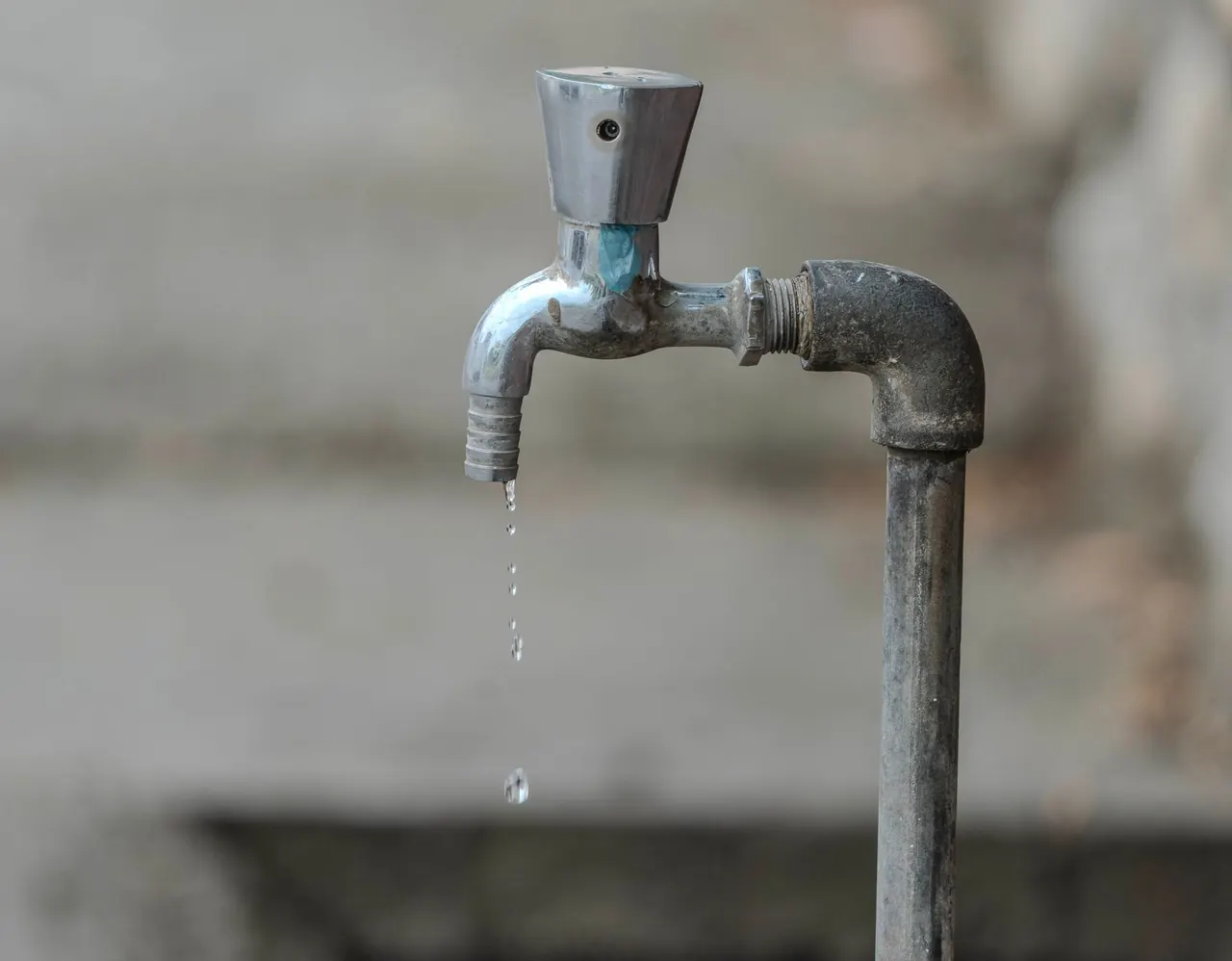
Water Line Rerouting Fullerton CA is the permanent fix when a pipe under your slab keeps leaking. We run new PEX or copper overhead or through the attic, cap the old line, and restore water pressure the same day. If your water bill spiked and the floor stays warm, call us at 657-354-1087. We handle reroutes across Orange County and know exactly how Fullerton's older slabs behave.
Useful updates and clear arrival timing.
Review the approach and price before deciding.
Equipped vehicles and respectful cleanup.
Neighbors serving neighbors with follow-through.
Every reroute we quote covers the full job from detection to cleanup. You are not paying extra for testing or materials after the fact. Here is what comes standard, and what we handle as an add-on only if your home needs it.
Acoustic leak detection equipment, thermal imaging camera, and pressure testing gauge are used to confirm the exact leak location and whether it is the hot or cold line. You see the readings before we quote.
We supply and install new PEX tubing or copper pipe with NIBCO or Uponor fittings. The material choice depends on your existing system and local code. Both carry manufacturer warranties on top of our workmanship coverage.
The failing under-slab section gets capped at both ends and abandoned in place. That removes it from the live system entirely, so it cannot leak again. No digging, no removal, no mess left behind.
We pressure test every joint on the new line and use a Fluke moisture meter to confirm the slab is drying. Any weeping fitting gets fixed before we close up. You get the test results in your written summary.
Small access points at the fixtures are patched with concrete patch or drywall as needed. We match the surrounding surface as closely as we can and clean the work area before we leave.
Share what is happening and receive a clear next step from the local team.
Water Line Rerouting Fullerton CA is a plumbing repair that abandons a failing under-slab pipe and runs a new supply line through the attic, walls, or ceiling. Instead of jackhammering your whole floor, we cut one or two small access points, pull new PEX tubing or copper pipe, and tie it into the existing fixtures. The old line gets capped and left in the ground. You get normal water pressure, no more slab leak, and a floor that stays intact.
Most Fullerton homes were built between the 1950s and 1980s, and the copper under those slabs has been sitting in damp soil for decades. Hot water lines go first. You'll see a water bill spike, a warm spot on the floor, or the sound of running water when nothing is on. A water line reroute Fullerton job solves all three at once. We also see it in Westside Fullerton, where mature trees push roots into older lines.

We start with acoustic leak detection equipment and a thermal imaging camera to pinpoint the leak. A pressure testing gauge confirms whether it is the hot or cold line. This takes 45 to 90 minutes, and we show you the readings before we quote anything.
We map the new path through the attic or ceiling using a pipe locator and video pipe inspection camera. You get a clear plan: where the line runs, where the access points go, and how long it takes. Most Fullerton reroutes need two access points or fewer.
We pull new PEX tubing or copper pipe through the planned route and tie it into your fixtures with NIBCO or Uponor fittings. The old line gets capped at both ends. This is the bulk of the job, usually four to eight hours on site.
Before we close anything up, we pressure test the new line and check every joint. A Fluke moisture meter confirms the slab is drying. If a fitting weeps, we fix it now, not after you notice a stain on the ceiling.
We patch access points, clean the work area, and walk you through the new shut-off locations. You get a written summary of what was rerouted and where. Total time from call to done is typically one to two days.

Listens for the sound of escaping water under the slab to narrow the leak location before we open anything up.
Shows temperature differences on the floor surface, which reveals hot water line leaks and hidden moisture paths.
Confirms whether the hot or cold line is losing pressure and verifies the new line holds after the reroute.
Lets us see inside the failing pipe to confirm corrosion, joint failure, or root intrusion before we plan the route.
Measures slab moisture before and after the reroute so we can prove the slab is drying out.
Crimp and press PEX and copper fittings fast and to spec, which keeps the job clean and the joints reliable.
Every reroute is planned and installed to UPC standards, which govern pipe sizing, support spacing, and material selection for residential supply lines in California.
Where the layout allows, we run the new line through the attic or ceiling without cutting concrete. This keeps your floors intact and shortens the job to one or two days.
We choose PEX tubing for flexibility and corrosion resistance, or copper pipe where local code or existing connections call for it. Both options get pressure tested the same way.
When a pipe still has life left, we evaluate epoxy pipe liner as a lower-cost option. If the corrosion is too far along, we recommend a reroute instead and explain why.
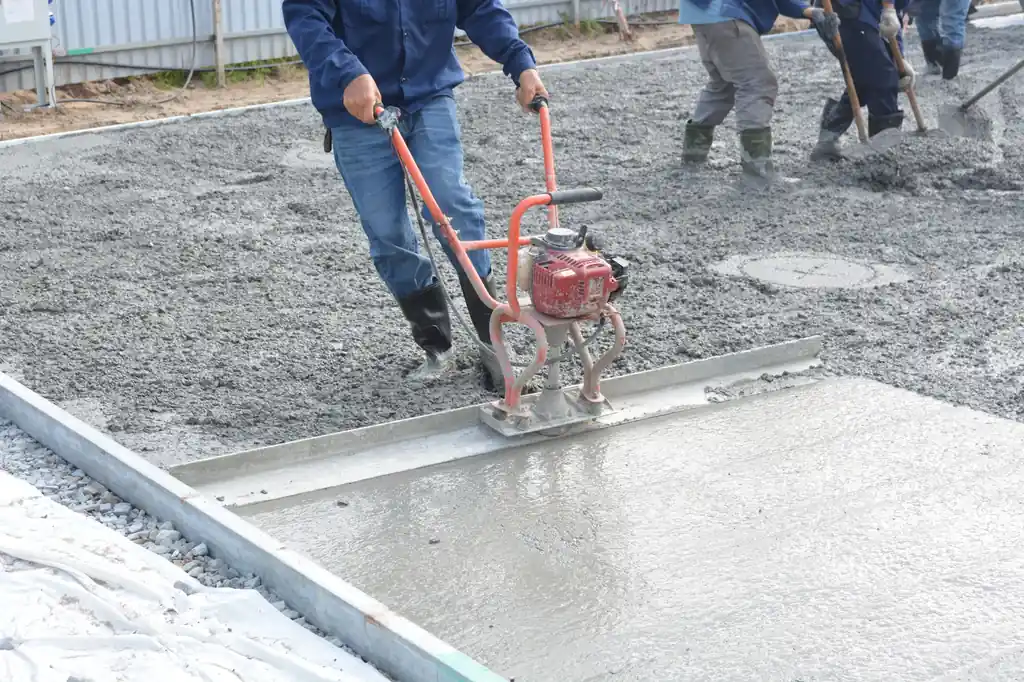
We confirm the corrosion pattern with a video pipe inspection camera, then reroute the hot line through the attic to both bathrooms using PEX tubing. The old copper stays capped under the slab. The leak cycle ends, water pressure returns to normal, and the homeowner avoids a third patch bill within a year.
Thermal imaging pinpoints the hot line under the kitchen. We reroute it overhead in one day, cap the old line, and pressure test every joint before closing up. The bill drops back to its normal range on the next cycle, and the floor cools down within 48 hours.
We isolate the cold line with a pressure testing gauge, reroute it through the ceiling, and patch the single access point. The whole job runs a day and a half between tenants. The carpet stays dry, the tenant stops calling, and the owner gets a warrantied fix instead of another patch.
We abandon the entire under-slab run, pull new copper pipe through the walls, and tie it into the main supply with NIBCO fittings. Full pressure test before we leave. No repeat leaks since the reroute, and the homeowner has a written map of the new line for future reference.
Fullerton sits on a mix of older slab-on-grade homes and newer builds, and that shapes how we reroute. The 1950s to 1980s tracts in Raymond Hills and Sunny Hills have copper lines that have been in damp soil for 40 to 70 years. Hot lines fail first, usually at the joints. Westside and West Coyote Hills see root intrusion from mature trees, which adds pressure on older pipes. We plan reroutes around Fullerton's slab construction, run new PEX or copper through the attic, and work to California plumbing code on every tie-in. If you need water line rerouting in Westside Fullerton, we know the layouts and can often finish in a single day. Summer heat and winter rain both affect soil movement here, so we check slab moisture before and after. Our 24/7 water line rerouting Fullerton CA line stays open for emergencies, and we serve ZIP codes 92831 through 92836.
Mostly 1960s slab-on-grade homes with original copper. Hot line leaks at the joints are the most common call we get here.
Larger lots with mature trees. Root intrusion into older under-slab lines shows up regularly, and reroutes usually run through the attic.
Older housing stock close to downtown. We see repeat leaks on the same line, which is where a reroute beats another patch.
Newer construction with PEX already in place. When a leak happens here, it is usually a fitting issue rather than full pipe corrosion.
Accelerates corrosion on copper pipe, especially at joints. It is the main reason we recommend rerouting over patching on homes built before 1985.
Roots find small cracks and widen them over time. In Westside and Sunny Hills, we inspect for root intrusion before planning the new route.
Soil expands and contracts with the seasons, which puts stress on under-slab pipes. A reroute moves the line out of that movement zone entirely.
A Raymond Hills homeowner had patched a hot line leak two years earlier. The second leak showed up in the same run, with a warm floor and a water bill up 30 percent. Another patch was quoted, but the pipe was corroded along its length.
We rerouted the hot line through the attic with new PEX tubing and capped the old copper. The job took a day and a half. The water bill returned to normal on the next cycle, and the warm spot on the floor disappeared within two days.
Maintenance: Keep an eye on the water bill each month. If it climbs more than 10 percent with no change in use, call us for a pressure test before it becomes a bigger problem.
A property manager near College Green had a tenant reporting a wet carpet for three weeks. The cold line under the slab was losing pressure, but there was no warm spot to give it away. Two previous plumbers had missed it.
We isolated the cold line with a pressure testing gauge, confirmed the break with acoustic detection, and rerouted it through the ceiling in a day and a half. The tenant's carpet dried out, and the unit was back to normal before the next lease start.
Maintenance: Check under sinks and around the water heater every few months. Early moisture signs are cheaper to catch than a full reroute.
A Sunny Hills home had three separate patches on the same under-slab line in four years. Each one held for a few months, then a new leak appeared nearby. The homeowner was ready to stop paying for the same repair.
We abandoned the entire under-slab run and pulled new copper pipe through the walls, tying it into the main supply with NIBCO fittings. Full pressure test passed on the first try. No leaks since, and the homeowner has a written map of the new line.
Maintenance: Note where the new shut-off valves are and test them once a year. A quick turn of the valve confirms the system is still holding.
Under-slab pipes fail in predictable ways, and Fullerton's older housing stock sees all of them. Here are the problems a reroute puts behind you for good.
A hidden under-slab leak can waste thousands of gallons a month and quietly inflate every bill until the pipe finally fails completely. We isolate the leak with pressure testing and acoustic detection, then reroute the failing line so the loss stops at the source. Most customers see their bill return to normal on the next billing cycle.
Hot water line leaks heat the slab and soften the soil beneath it, which can lead to foundation movement and cracking over time. Thermal imaging confirms the hot line, and we reroute it through the attic with new PEX tubing. The slab dries out, the warm spot disappears, and your foundation stops taking on moisture.
Each patch weakens the surrounding pipe, so a second or third leak usually follows within a year. You end up paying for the same repair over and over. A reroute abandons the entire failing run instead of patching one spot. We cap the old line, run a new one overhead, and pressure test it. That ends the cycle rather than delaying it.
Fullerton's damp soil eats through copper at the joints first. A failed joint can drip for months before it shows at the surface. We locate the joint with a video pipe inspection camera, confirm the corrosion pattern, and reroute the line with PEX, which does not corrode in soil. The new line sits above the slab, out of the moisture entirely.
Slab Leak Pros has been rerouting water lines since 2016, which means 10 years of under-slab work in Fullerton and across Orange County. Our technicians hold a California Contractor License (C-36 Plumbing) and work to the IAPMO Uniform Plumbing Code (UPC) on every job. We carry Backflow Prevention Certification and follow OSHA safety standards on every site. We have rerouted hundreds of lines in homes built from the 1950s through the 1980s, and we know how Fullerton's soil and slab construction behave. We also hold EPA WaterSense training, so we can spot water waste while we are under there.
Most Fullerton reroutes run $2,800 to $6,500 in 2026, depending on how far the new line travels and how many fixtures it feeds. A single hot water line to one bathroom sits at the low end. Whole-house reroutes with multiple tie-ins land higher. Detection, PEX or copper materials, pressure testing, and cleanup are included in that range.
Reroute when the same under-slab line has leaked twice, when your water bill jumps more than 20 percent with no change in use, or when you feel a warm spot on the floor. Those three signs mean the pipe is failing along its length. Patching one spot will not hold. A reroute ends the problem for good.
Slab Leak Pros offers water line reroute service across Fullerton and Orange County from our local base. We have run under-slab lines since 2016 and hold a California Contractor License (C-36 Plumbing). Call 657-354-1087 and we will confirm the leak, explain the route, and quote a flat price before we start.
No, most reroutes avoid concrete work entirely. We run the new PEX tubing or copper pipe through the attic or ceiling and cut only one or two small access points at the fixtures. The old under-slab line gets capped and stays in the ground. Your slab and flooring stay intact, and we patch the access points before we leave.
Not seeing your question? Our local team can help you understand urgency, scheduling and what to expect.
Ask the local team
When water is actively pooling on your floor, we shut the line down and stop the damage first. Emergency slab leak repair pairs with a reroute when the pipe cannot be saved. We answer 24/7 and can be on site the same day across Fullerton.
View serviceSometimes the leak is small enough to repair in place. Under-slab pipe repair uses epoxy pipe liner or a targeted cut and patch when the pipe still has life left. We tell you honestly whether repair or reroute is the better spend.
View service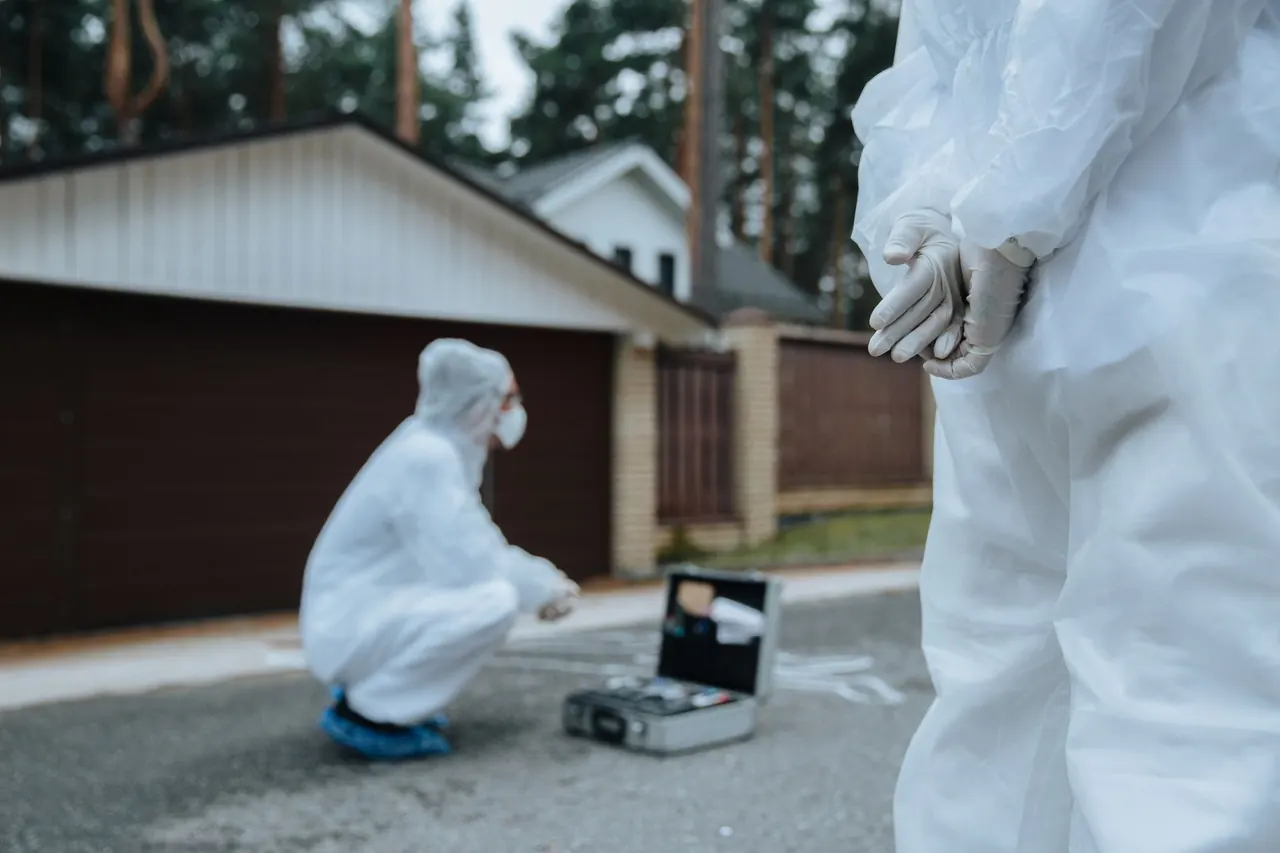
Slab leak rerouting is the same core work as a water line reroute, focused on the leaking section under the slab. We abandon the bad run, pull a new line overhead, and pressure test it before we close up. Most jobs finish in one to two days.
View service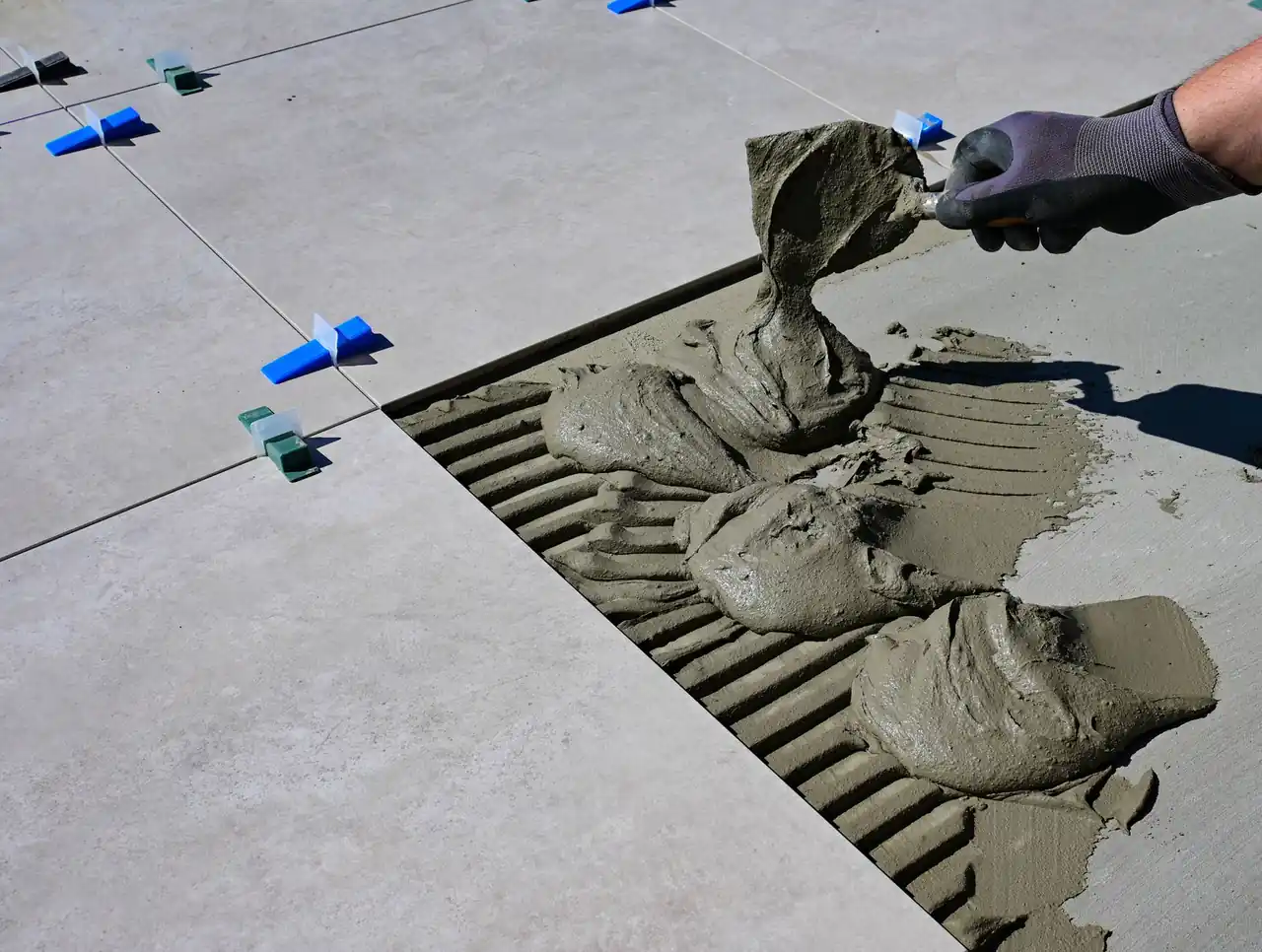
Hot water lines corrode faster than cold lines, and they are the most common slab leak we find in Fullerton. Hot water line leak repair starts with thermal imaging to confirm the source, then a reroute or patch depending on pipe condition.
View service
Call us at 657-354-1087 or email [email protected]. We answer the phone 24/7 for emergency slab leak calls in Fullerton. For non-emergency work, we schedule same-day or next-day appointments. You will get a written price before we start.